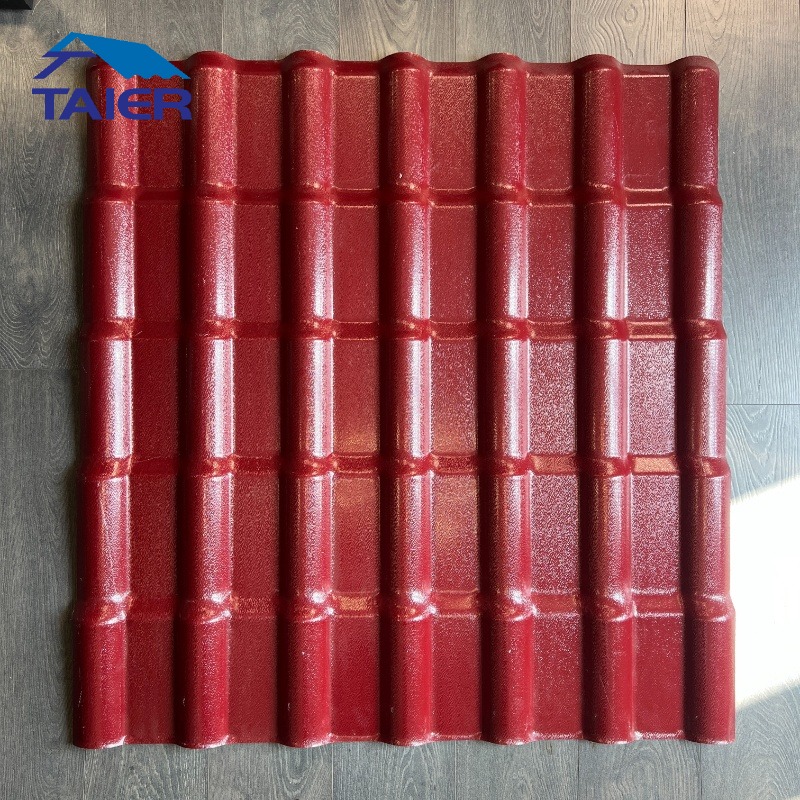
Before installation, ensure your subfloor is clean, level, and completely dry, as any imperfections can lead to uneven finishes. For high-traffic areas, opt for thicker tiles that provide added strength. Equally important is selecting a high-quality adhesive formulated specifically for PVC to guarantee a lasting bond. Climate compatibility is another key factor; while PVC tiles are built to withstand harsh weather, always choose products rated for your region’s temperature extremes and precipitation levels.
The installation process begins with a thorough roof cleaning using a pressure washer or hose to remove debris. Next, accurately measure your roof to calculate the required tile quantity, considering shape and size options—interlocking tiles are particularly popular for their seamless, snap-together fit. Start laying tiles from the bottom edge, working upward while maintaining precise alignment. Secure each piece with roofing adhesive to prevent shifting, and use a utility knife to trim excess tiles along edges for a crisp, professional finish.
Ongoing maintenance is minimal but vital: regular inspections and timely debris removal will significantly extend your roof’s lifespan. While PVC tiles are lightweight, eco-friendly, and resistant to rot and insects, potential drawbacks include higher initial costs compared to some traditional materials and possible expansion or contraction in extreme temperatures. By weighing these pros and cons, you can make an informed decision and enjoy a beautiful, resilient roof for years to come.
You may like: ASA Resin Roofing Tile Accessories, ASA Synthetic PVC Roofing Sheet, PVC Roofing Sheets, UPVC Roofing Sheet