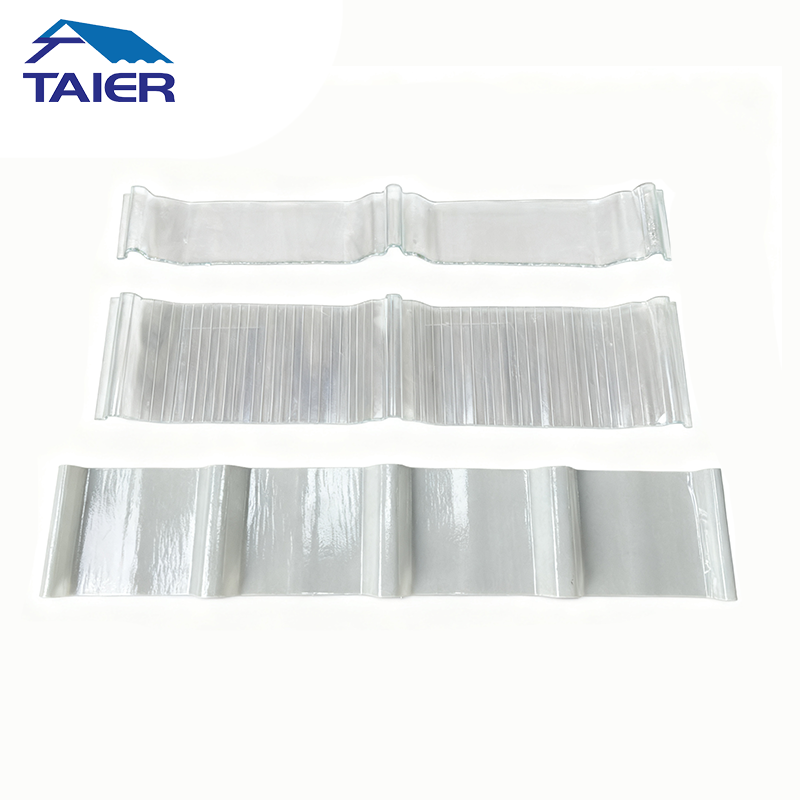
Modern FRP and polycarbonate materials contribute to sustainability in several ways:
Lower embodied energy in some formulations.
Improved energy efficiency by enhancing insulation and daylighting, which reduces heating, cooling and lighting demands.
Extended service life, meaning fewer replacements and less material sent to landfills.
As environmental performance becomes a measurable “cost”—from ESG reporting to compliance and tax incentives—using FRP and polycarbonate systems becomes both a technical and financial way to reduce construction costs.
Reduced Maintenance Costs
One of the most ignored ways to reduce construction costs is to design for low maintenance from day one.
By contrast, modern materials such as FRP and polycarbonate are inherently resistant to:
Corrosion and rust
UV degradation (with proper stabilization)
Many common chemicals used in industrial and sanitary cleaning
Moisture absorption and rot
Considering maintenance as a strategic factor is one of the smartest ways to reduce construction costs throughout the building’s life.
Streamlined Construction Process
The lightweight nature of FRP and polycarbonate materials simplifies many aspects of construction and lead to:
·Shorter schedules
·Reduced risk of delays due to complex logistics
·More efficient retrofit and expansion projects
Enhanced Safety and Reduced Liabilities
Modern materials improve safety in several ways:
·Reducing the risk of shattering and injuries compared to glass.
·Many FRP products offer significant fire-resistant or fire-retardant properties
·Lightweight systems reduce the risk of manual handling injuries on site.
Incorporating safety-enhancing materials is not only good practice—it is also one of the most strategic ways to reduce construction costs related to risk and liability.
You may like: ASA Resin Roofing Tile Accessories, ASA Synthetic PVC Roofing Sheet, PVC Roofing Sheets, UPVC Roofing Sheet