Step-by-Step Guide to Choosing Accessories
Think of your roof not as a single surface, but as a system where different planes meet obstacles. Accessories are the solutions for these junctions.
1. Start with the Roof Design & Pitch
The complexity of your roof design directly dictates the accessories you'll need.
* Simple Gable Roof: Requires fewer accessories (mainly ridge, eaves, and verges).
* Complex Roof with Valleys, Hips, and Dormers: Requires a full suite of specialized accessories.
The roof's pitch (slope) is also crucial. Some accessories, like valley systems, have minimum pitch requirements.
2. The Essential "Line" Items: Ridges, Hips, and Verges
These are the long, linear components that cap the edges and peaks of the roof.
* Ridge Caps: For the horizontal peak where two sloping roof planes meet.
1)How to Choose: Select a profile that matches your tile (e.g., a standard ridge, a roll-top ridge for a more rustic look). Ensure they come with the correct ventilation strips if you need a ventilated ridge system for attic airflow.
2)Vented vs. Solid: Vented ridges are common for modern roofs to meet building regs on ventilation.
* Hip Caps: For the external, sloping corner where two roof planes meet.
1)How to Choose: Hip units are typically smaller, individual caps that are layered over the tiles. You must choose the correct left- and right-hand units as specified by the manufacturer.
* Verge Systems (Rake Edges): For the vertical, sloping edges of the roof at the gable ends.
1) How to Choose:
* Verge Trim/Flashing: A metal or resin piece that underlays the tiles and directs water onto the gutter.
* Verge Clips: Small clips that secure the outer tile at the verge, preventing it from lifting in high winds. These are critical for wind resistance.
3. The Critical "Point" Solutions: Valleys, Flashings, and Closures
These handle specific intersections and penetrations.
* Valley Systems: The internal angle where two roof planes meet. This is a high-water-flow area.
1) How to Choose: This is one of the most important choices.
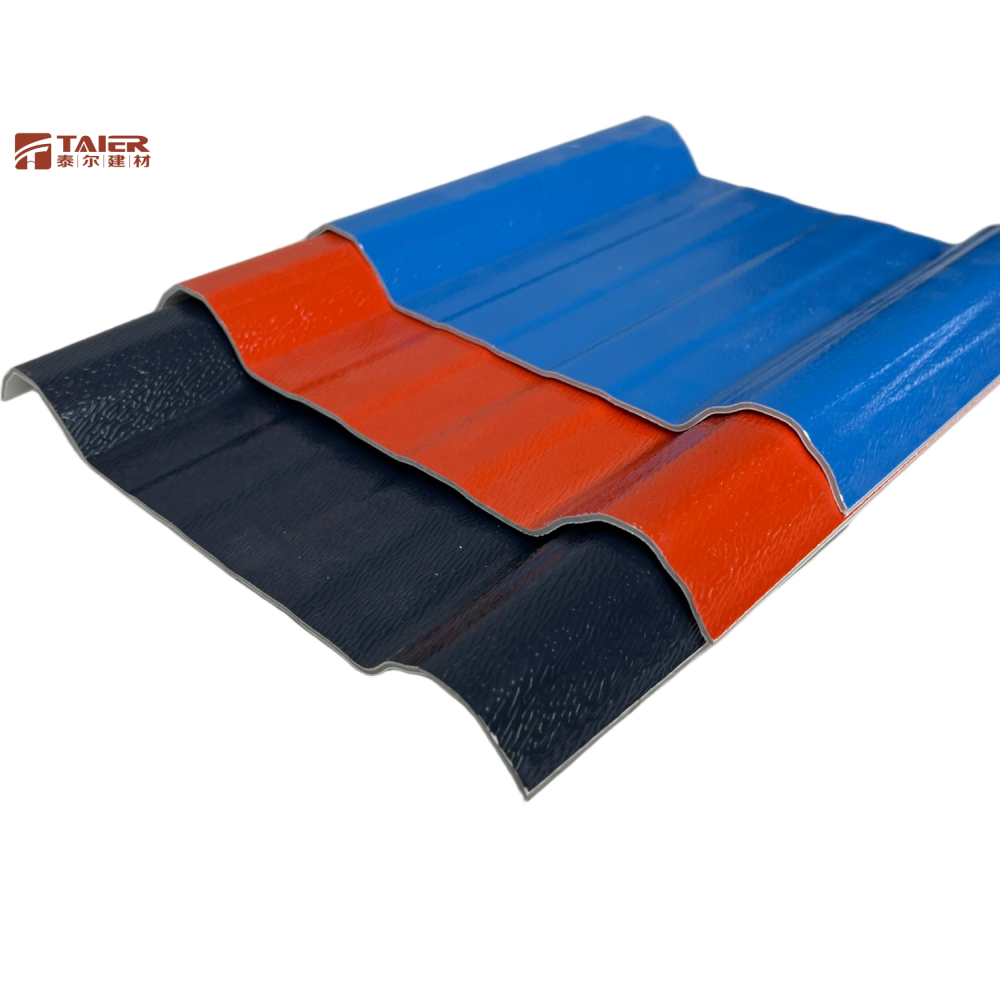
* Dry Valley System: A pre-formed, colored channel that sits under the tile cuts. This is the most common and effective method for resin tiles, providing a clean, waterproof channel.
* Laced Valley: Tiles from both planes are woven together. This is complex, less water-shedding, and generally not recommended for resin tiles. Choose the manufacturer's dry valley system.
2) Flashings: Used to seal the roof around penetrations like chimneys, walls, and vent pipes.
How to Choose:
* Material: While lead, aluminum, or galvanized steel are common, many resin tile manufacturers offer pre-formed, color-matched resin flashings (e.g., apron flashings for chimneys). These provide a perfect aesthetic and material match.
* Compatibility: Even if using metal flashings, ensure their profile is designed to work with the specific tile shape.
3) Closures: Used to block debris, pests, and wind-driven rain from entering the underlayment at the eaves and ridges.
How to Choose:
* Eaves Closures: Fit into the first course of tiles to seal the gap. They are essential for preventing birds and insects from nesting.
* Ridge Closures: Seal the ends of the ridge cap.
4. The Structural & Security Components
These are often unseen but are vital for the roof's integrity.
* Fixing Clips: These are not optional.
1)How to Choose: The manufacturer will specify exactly which clips to use and where (e.g., standard clips, special verge clips, hip clips). Using the correct clip is paramount for achieving the stated wind uplift resistance (e.g., Class 4 hurricane resistance).
2)Snow Guards: In snowy regions, these prevent large sheets of snow from sliding off the roof suddenly.
3) How to Choose: Select a system (pad-style or bar) that is certified for use with your specific resin tile. The installation method must not compromise the tile's integrity.
Create a "Roof Map": List every junction on your roof plan (ridges, hips, valleys, verges, eaves, chimneys, skylights, vent pipes).
Match the Accessory to the Junction: Use the catalog to select the correct part for each location on your map.
Confirm Color Match: Ensure all visible accessories (ridges, hips, valleys, flashings) are ordered in the same color as your tiles.
Don't Forget the "Small Stuff": Order enough fixing clips, closures, and the correct fasteners (usually stainless steel or color-matched screws).
Work with Your Roofer: A certified installer will know the system, but you should verify that they are using genuine, manufacturer-specified accessories to protect your investment and warranty.
By following this systematic approach, you ensure that your beautiful resin tile roof is not just aesthetically pleasing but is also a durable, watertight, and secure system for decades to come.
You may like: ASA Resin Roofing Tile Accessories,ASA Synthetic PVC Roofing Sheet,PVC Roofing Sheets